Confined spaces are among the most hazardous environments in industrial facilities. Tanks, silos, pits, ducts and underground chambers can quickly develop dangerous conditions due to limited ventilation and restricted access.
Many facilities overlook how seasonal changes can increase confined space hazards. Temperature shifts, moisture levels and production cycles can alter gas behaviour, oxygen levels and structural conditions inside these spaces. A confined space that appeared safe months earlier may present very different risks when the seasons change.
For facility managers and safety teams across New Zealand, understanding these seasonal shifts is essential for planning safe cleaning, inspections and maintenance work.
What is considered a confined space in industrial facilities?
A confined space is not simply a small or enclosed area. In safety terms, it refers to a space that:
- Is not designed for continuous human occupancy
- Has limited entry or exit points
- Can accumulate hazardous atmospheres or other risks
Examples commonly found in industrial facilities include:
- Storage tanks and processing vessels
- Silos and hoppers
- Underground pits and service tunnels
- Pipe systems and ducts
- Wastewater chambers and sumps
Because ventilation is often restricted, these environments can quickly develop dangerous atmospheric conditions, particularly when environmental factors such as temperature and humidity change.
This is why confined space work often requires specialist expertise and safety procedures, such as those used during professional confined space cleaning.
What are the most common confined space hazards?
Confined spaces can contain a range of hazards that are not immediately visible from outside the space.
The most common confined space hazards include:
- Oxygen deficiency caused by chemical reactions or displacement
- Toxic gases such as hydrogen sulphide or carbon monoxide
- Flammable atmospheres that can ignite during maintenance work
- Restricted escape routes that complicate emergency evacuation
- Poor ventilation, allowing contaminants to accumulate
According to WorkSafe, many confined space incidents occur year after year, as evidenced by tragic real-life stories, including a worker who was killed after being engulfed in a silo containing sand and a winemaker inspecting a vat suffocated by carbon dioxide from fermenting wine.
That’s why working with an industrial cleaning team experienced in confined spaces is an absolute must.
How do temperature changes affect gas build-up in confined spaces?
Temperature shifts can influence how gases form, move and accumulate inside confined spaces.
During warmer months, organic residues left inside tanks or pits can break down more rapidly. This process can release hazardous gases such as methane or hydrogen sulphide.
In colder conditions, heavier gases may settle and remain trapped near the base of confined spaces due to reduced air movement.
These seasonal changes can lead to:
- Fluctuating gas concentrations
- Unexpected toxic atmospheres
- Oxygen displacement
- Increased explosion risks in enclosed systems
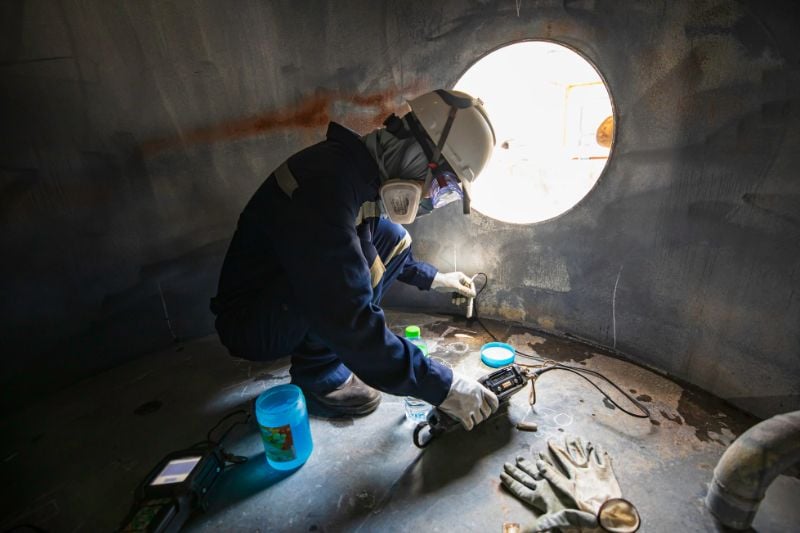
For this reason, atmospheric testing must always be performed before any confined space entry, even if the space has been safely accessed before.
How moisture and condensation increase confined space hazards
Seasonal moisture changes can also affect the safety of confined spaces.
As temperatures drop, condensation can form inside tanks, ducting and underground chambers. This can create multiple risks for workers.
Common moisture-related hazards include:
- Slippery surfaces increase fall risk
- Accelerated corrosion of structural materials
- Microbial growth including bacteria and mould
- Oxygen displacement as gases form in damp environments
Facilities in coastal or humid regions of New Zealand may experience particularly rapid changes in moisture levels, making seasonal inspections essential.
Why do many facilities schedule confined space work during shutdowns
Seasonal shutdown periods are often the safest time to conduct confined space maintenance and cleaning.
During shutdowns, facilities can fully isolate equipment and safely ventilate spaces before entry.
Typical shutdown tasks include:
- Removing residue and build-up
- Inspecting tanks and chambers for corrosion
- Cleaning ventilation systems
- Checking structural components
- Conducting atmospheric testing
These tasks are often completed alongside compliance preparation using specialist services such as audit cleaning, which helps facilities meet operational and regulatory standards before restarting production.
Why entry permits and atmospheric testing are essential
No confined space entry should occur without a formal permit system.
Entry permits ensure that critical safety procedures have been completed before workers enter hazardous environments.
Typical confined space permit requirements include:
Atmospheric testing
- Oxygen concentration monitoring
- Detection of toxic gases
- Flammable gas measurements
Isolation procedures
- Lockout of electrical or mechanical equipment
- Isolation of pipelines and valves
- Prevention of chemical inflow
Entry supervision
- A trained observer outside the space
- Communication systems with workers inside
- Continuous gas monitoring equipment
Even when confined spaces are accessed regularly, fresh testing must always occur before entry.
Why rescue planning is critical for confined space safety
One of the most serious risks in confined space incidents is the difficulty of emergency rescue.
Many accidents occur when untrained workers attempt to rescue colleagues without proper equipment.
Effective confined space rescue planning should include:
- Retrieval systems such as tripod winches
- Continuous gas monitoring devices
- Breathing apparatus for rescue teams
- Trained standby personnel during entry
Specialist contractors performing industrial cleaning or maintenance in confined spaces typically operate with pre-planned rescue procedures and trained personnel.
Facilities looking to strengthen their safety planning often work with experienced providers offering comprehensive industrial cleaning services.
A real example: When seasonal conditions changed the risk
At a food processing facility in the Bay of Plenty, a large processing tank was scheduled for cleaning at the end of winter.
The same tank had been entered safely during a summer shutdown the previous year. However, when the maintenance team conducted atmospheric testing before entry, oxygen levels inside the tank were significantly lower than expected.
Condensation inside the vessel had created a damp environment that accelerated microbial activity. This produced gases that displaced oxygen inside the confined space.
Because the team followed strict confined space entry procedures, the hazard was identified before entry. The tank was ventilated and cleaned safely by a specialist crew.
As one site supervisor later noted:
“It looked like the same job we’d done before, but the conditions had completely changed. The testing probably prevented a serious incident.”
How facilities can reduce seasonal confined space risks
Seasonal risks can be managed effectively with proactive safety planning.
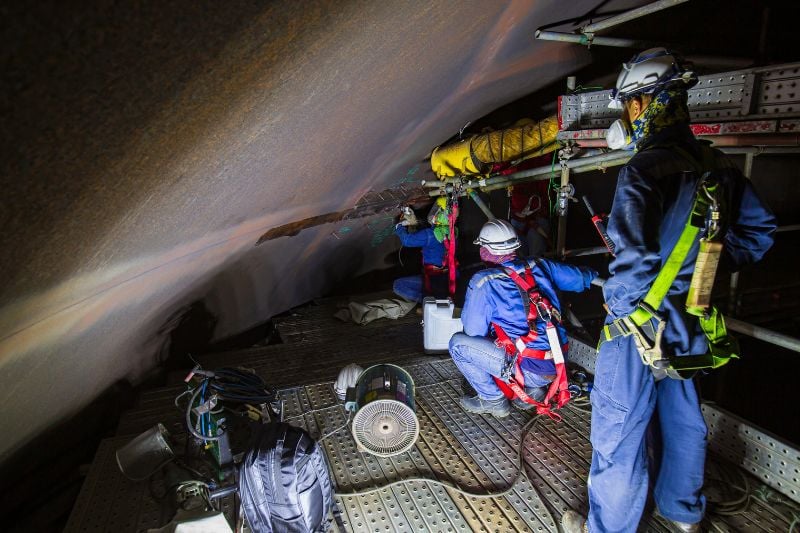
Facilities can reduce confined space hazards by:
- Conducting seasonal inspections of tanks, pits and ducts
- Performing atmospheric testing before every entry
- Monitoring condensation and moisture build-up
- Ensuring staff receive proper training in confined space procedures, such as those discussed in training staff for confined space cleaning
- Scheduling professional cleaning during planned shutdowns
These measures help facilities detect potential hazards early and reduce the likelihood of incidents during maintenance work.
Need support with confined space cleaning or safety planning?
Confined spaces rarely remain static environments. Changes in temperature, moisture and operational cycles can quickly transform a manageable area into a hazardous one.
By recognising how environmental conditions influence confined space hazards, facilities can ensure maintenance work is carried out safely and efficiently.
If your facility is preparing for seasonal maintenance or shutdown work, working with experienced confined space specialists can help reduce risk and ensure safe entry procedures.
The team at Rapid Facilities provides industrial and compliance cleaning services across New Zealand, helping facilities safely manage confined space environments and prepare for operational restart.
Get in touch with the team today to discuss your site requirements.