Biofilms are one of the most overlooked risks in industrial and food-processing environments. They often develop slowly, remain invisible to the naked eye, and resist routine cleaning. By the time they are detected, it is often during an audit when contamination risks, hygiene gaps, or persistent bacteria are identified in areas assumed to be clean.
Unlike surface dirt, biofilms are microbial communities protected by a sticky matrix that allows bacteria to survive harsh conditions. For facilities across New Zealand — from manufacturing plants to food processing sites — understanding biofilms is critical for maintaining compliance, protecting product safety, and preventing repeat hygiene failures.
What are biofilms, and why are they difficult to detect?
Biofilms are structured colonies of microorganisms that attach to surfaces and produce a protective coating. This coating acts like a shield, making bacteria significantly more resistant to detergents, disinfectants, and environmental stress.
Because biofilms often appear as thin films rather than visible buildup, they are easily mistaken for harmless residue. Over time, however, they can release bacteria back into the environment, contaminating equipment, floors, drains, and production lines.
This is why auditors frequently detect biofilms before facility teams do. They are trained to test high-risk areas where microbial growth persists despite routine cleaning.
Why do standard cleaning detergents fail to remove biofilms?
Standard cleaning methods are designed to remove surface debris, not embedded microbial colonies. While detergents can remove visible grime, they often leave behind the underlying biofilm matrix.
The protective layer surrounding biofilms:
- Prevents disinfectants from reaching bacteria
- Allows microorganisms to regenerate quickly
- Increases resistance to repeated cleaning
- Traps moisture and nutrients that fuel growth
Without targeted disruption, biofilms can return within days, even in facilities with strict cleaning schedules.
Where do biofilms commonly form in industrial facilities?
Biofilms thrive in areas with moisture, nutrients, and limited disturbance. These zones are often overlooked during routine cleaning.
Common formation zones include:
- Drains and gullies
- Floor joints and expansion gaps
- Processing lines and conveyors
- Wet production areas
- Stainless steel surfaces
- Rubber seals and plastic components
- Undersides of machinery
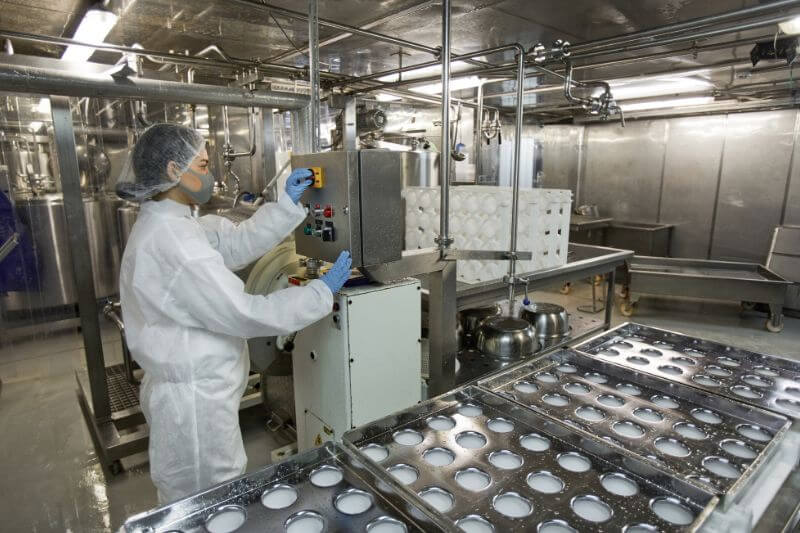
In food environments, biofilms can form on stainless steel, rubber, and plastic — particularly in areas exposed to moisture and product residue. Left untreated, they increase contamination risk and can lead to costly recalls or audit non-conformances.
Why are biofilms a compliance risk in food and industrial audits?
Auditors look for signs of persistent microbial growth, not just visual cleanliness. Biofilms are often detected through:
- Swab testing
- Odour identification
- Residue patterns in drains or joints
- Repeat contamination findings
When biofilms are present, they indicate that cleaning processes are not effectively controlling bacteria. This can result in:
- Audit failures
- Corrective action requirements
- Increased testing frequency
- Production interruptions
Facilities that proactively address biofilms demonstrate stronger hygiene control and risk management practices.
How antimicrobial treatments help eliminate biofilms
Biofilm removal typically requires specialised antimicrobial treatments designed to penetrate and break down the protective matrix. These treatments go beyond routine cleaning and target microbial colonies at their source.
We offer professional antimicrobial treatment services that:
- Break down biofilm structures
- Eliminate bacteria and fungi
- Provide residual protection
- Reduce regrowth between cleaning cycles
Our antimicrobial treatments are applied using specialised fogging, misting, or electrostatic spraying techniques, ensuring uniform coverage across even the hardest-to-reach areas.
What facilities need antimicrobial treatments?
Some environments face higher microbial risks due to frequent contact, moisture, or strict hygiene requirements. In these settings, antimicrobial treatments provide an added layer of protection beyond routine cleaning.
Industrial and commercial workplaces — including factories, warehouses, and offices — experience constant use of shared surfaces such as machinery controls, desks, and door handles. Regular antimicrobial applications help limit bacterial spread, support staff wellbeing, and reduce disruption during illness outbreaks.
Healthcare environments require even tighter hygiene control. Hospitals, clinics, and aged-care facilities must manage pathogens that can survive on surfaces for extended periods. Targeted antimicrobial programs help reduce cross-contamination risks and support infection prevention protocols.
Food and beverage processing facilities also benefit significantly. Organic residues, moisture, and complex equipment create ideal conditions for bacterial growth and biofilm formation. Applying antimicrobial treatments across production areas, floors, equipment, and high-risk surfaces helps maintain compliance, protect product quality, and reduce contamination risks.
What is a routine disruption cycle, and why does it matter?
Even after removal, biofilms can reform if conditions remain favourable. A routine disruption cycle prevents regrowth by periodically targeting high-risk areas before colonies re-establish.
Effective disruption cycles may include:
- Scheduled deep cleaning
- Rotating antimicrobial treatments
- Targeted drain sanitation
- High-risk surface monitoring
- Hygiene verification testing
This proactive approach reduces reliance on reactive cleaning and supports consistent compliance.
Why biofilm control strengthens audit readiness
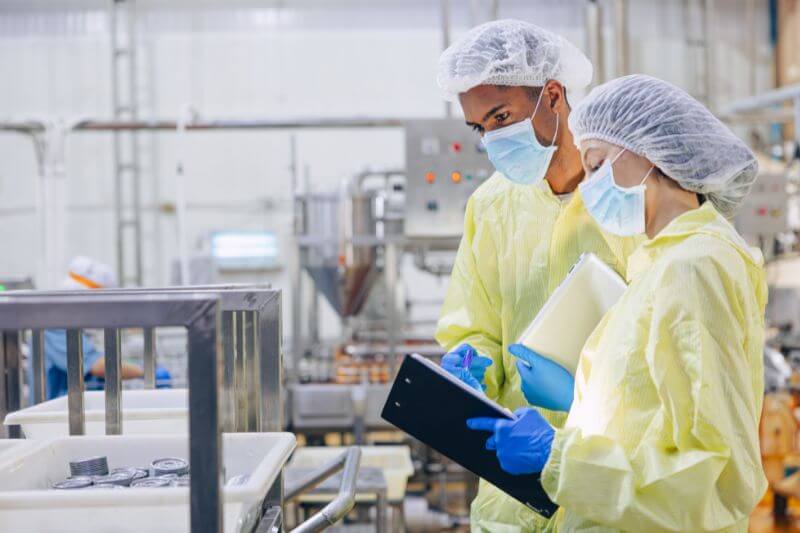
Controlling biofilms demonstrates that a facility understands microbial risk management and is actively preventing contamination rather than reacting to it. Auditors look for evidence that hygiene risks are identified, monitored, and systematically controlled — and biofilm management is a strong indicator of that maturity.
Effective biofilm control improves:
- Audit outcomes and reduced non-conformances
- Product safety assurance across production lines
- Cleaning efficiency and reduced repeat work
- Staff confidence in hygiene systems
- Stronger documentation of sanitation procedures
- Reduced environmental swab failures
- Lower risk of corrective action requests
Facilities that proactively manage biofilms also tend to have more structured cleaning programmes, clearer accountability, and better verification processes. This makes it easier to demonstrate due diligence during audits, improves audit readiness, and supports consistent production and reduced downtime, particularly in food manufacturing and high-risk industrial environments.
How professional industrial cleaners identify biofilm risks early
Experienced industrial cleaners often recognise early indicators of biofilm formation, including:
- Persistent odours near drains
- Slippery film on floors
- Discolouration in joints
- Recurring bacterial test results
- Moisture retention in equipment zones
By identifying these signs early, facilities can act before contamination spreads or auditors detect the issue.
We specialise in professional antimicrobial treatments across New Zealand, with branches in Auckland and Christchurch. Our expert technicians use advanced, hospital-grade products and application techniques to protect your business, staff, and customers.
You can explore additional specialised cleaning support through our broader industrial services.
Don’t wait for an auditor to find biofilms
Biofilms develop quietly but can create significant operational and compliance risks. Identifying and treating them early protects product integrity, reduces cleaning effort, and improves audit readiness.
We don’t just disinfect—we protect your investment, your reputation, and the people who keep your business running. Our focus is on maintaining full compliance, safeguarding safety, and instilling confidence in your facility’s performance.
If your facility has recurring hygiene issues or you want to strengthen microbial control, professional support can help identify hidden risks.
To discuss antimicrobial treatments or schedule a site assessment, contact our team and let’s create a plan that safeguards your business.