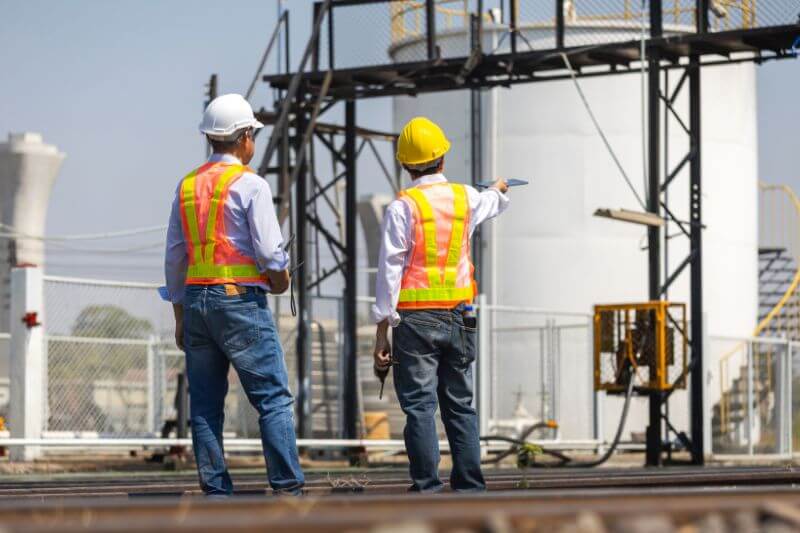
Seasonal risks in industrial facilities can quietly develop long before they become visible problems. Changes in temperature, moisture, rainfall, and wildlife activity all place different pressures on buildings, equipment, and hygiene systems throughout the year. If these risks aren’t managed proactively, they can lead to costly downtime, safety incidents, and expensive repairs.
The good news is that most seasonal issues are preventable. By adjusting your maintenance and cleaning schedule throughout the year, you can protect your assets, improve compliance, and keep your facility operating safely and efficiently.
Why do seasonal changes increase risks in industrial facilities?
Every season brings different environmental conditions that affect industrial buildings. Summer heat encourages bacterial growth, autumn fills drainage systems with debris, winter increases condensation, and spring brings higher pest and bird activity.
Rather than reacting to problems as they arise, many businesses incorporate seasonal inspections into their industrial cleaning services. Identifying risks early helps prevent unexpected breakdowns, extends the life of equipment, and reduces emergency maintenance costs.
How do summer and autumn affect industrial facilities?
Summer creates ideal conditions for bacteria, mould, and residue build-up, particularly in food processing, manufacturing, and other hygiene-sensitive environments. Higher temperatures also place additional strain on machinery and ventilation systems, making regular cleaning essential for maintaining performance and compliance.
As summer transitions into autumn, a different challenge emerges. Leaves, dirt, and organic debris quickly collect on roofs, in gutters, and inside downpipes. Left unchecked, these blockages can cause water to overflow, damage roofing systems, and create damp conditions that encourage mould and corrosion.
Scheduling roof inspections and gutter cleaning before winter helps ensure drainage systems are ready for heavy rainfall and reduces the likelihood of costly water damage.
Why do winter and spring create new maintenance challenges?
Winter often brings increased condensation inside warehouses, factories, and plant rooms. Excess moisture can lead to rust, mould, slippery floors, and deterioration of equipment if it isn’t addressed early.
Confined spaces such as tanks, pits, silos, and underground chambers may also experience changing atmospheric conditions during colder months. These environments require specialist planning and trained personnel to inspect and maintain safely. Rapid Facilities have extensive experience managing confined space cleaning in high-risk industrial environments.
As temperatures rise again in spring, birds and pests become more active. Nesting in roof spaces, gutters, and loading bays can create contamination risks, blocked drainage systems, and additional maintenance requirements. Installing bird proofing and deterrent solutions before nesting season is one of the most effective ways to prevent recurring problems.
How should industrial cleaning schedules change throughout the year?
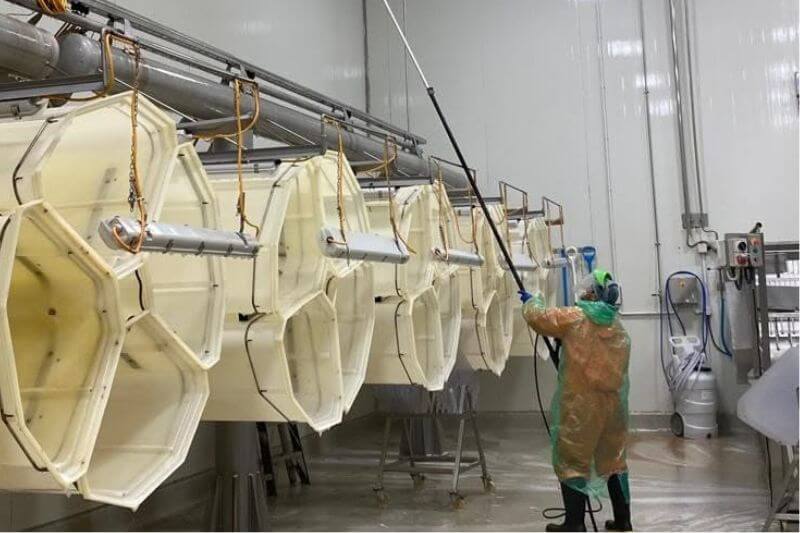
A single annual clean rarely provides enough protection for an industrial facility. Cleaning schedules should reflect seasonal conditions and focus on prevention rather than reaction.
A proactive maintenance programme may include:
- Quarterly facility inspections
- Seasonal roof and gutter cleaning
- High-level dust removal
- Machinery and equipment cleaning
- Drain maintenance
- Exterior building washing
- Specialist audit cleaning services where compliance is critical
Planning maintenance around seasonal risks helps identify issues before they disrupt your operations.
Why does preventative maintenance save businesses money?
The greatest cost to a business is rarely the cleaning itself. It’s the downtime, repairs, production delays, and emergency callouts that follow when maintenance is postponed.
Regular cleaning helps:
- Extend the life of equipment and building assets
- Reduce unexpected breakdowns
- Improve workplace safety
- Maintain compliance
- Lower long-term repair costs
One warehouse operator, for example, experienced repeated winter flooding because the gutters were cleaned only once a year. After introducing seasonal inspections and preventative gutter maintenance, drainage problems disappeared, emergency repairs were avoided, and operations continued without interruption the following winter.
It’s a simple reminder that addressing small maintenance issues early almost always costs less than responding to major failures later.
Seasonal industrial maintenance checklist
Every season brings different maintenance priorities. Rather than waiting for problems to arise, use this checklist to identify risks early and keep your facility operating safely, efficiently, and in compliance with requirements.
Before each season, review the following:
- ✔ Remove leaves, dirt, and organic debris to maintain effective drainage and prevent water ingress.
- ✔ Clean machinery and production equipment to remove grease, dust, and contaminants that can reduce performance.
- ✔ Remove high-level dust from beams, ducting, and overhead structures to reduce fire and air quality risks.
- ✔ Check ventilation systems to ensure good airflow and minimise moisture build-up.
- ✔ Inspect for mould, corrosion, and water damage, particularly in plant rooms, storage areas, and confined spaces.
- ✔ Review bird-proofing and pest activity before nesting seasons increase contamination risks.
- ✔ Schedule preventative cleaning and maintenance ahead of major seasonal weather changes, rather than waiting for emergency repairs.
A seasonal checklist also creates a documented maintenance history, making it easier to plan future work, demonstrate due diligence during audits, and extend the lifespan of valuable building assets. Small, proactive inspections completed throughout the year are often the difference between routine maintenance and costly emergency repairs.
Stay ahead of seasonal risks before they become costly problems
Seasonal conditions are unavoidable, but many of the problems they create are not. A proactive cleaning and maintenance programme helps protect your buildings, equipment, staff, and operations throughout the year.
Whether you operate a warehouse, manufacturing plant, food processing facility, or commercial site in Auckland, Christchurch, or anywhere across New Zealand, Rapid Facilities provides tailored industrial cleaning and preventative maintenance solutions to help keep your business running safely and efficiently.
If you’d like help preparing your facility for the season ahead, contact the team at Rapid Facilities to discuss a maintenance programme tailored to your business.
With years of experience working in high-risk industrial environments, our team helps identify potential issues before they become costly failures, reducing downtime, protecting valuable assets, and supporting ongoing compliance.
The right maintenance at the right time keeps your facility safer, more efficient, and ready for whatever the next season brings.
Frequently asked questions about seasonal risks in industrial facilities
Every season introduces different challenges. Summer increases contamination risks, autumn affects drainage, winter brings moisture and condensation, while spring increases bird and pest activity.
Most facilities benefit from quarterly inspections, with additional checks before major seasonal changes or periods of severe weather.
Preventative cleaning helps protect equipment, improve safety, reduce downtime, support compliance, and identify maintenance issues before they become expensive repairs.