Food safety audits rarely uncover one major issue. More often, they identify small hygiene gaps that have accumulated over time and gone unnoticed in day-to-day operations. A facility may look clean while still harbouring hidden contamination risks.
Effective food safety audit preparation isn’t about a last-minute deep clean. It’s about consistently managing hygiene, documentation, and maintenance to keep your facility audit-ready every day.
In short: Auditors don’t just assess how clean a facility looks. They inspect hidden contamination risks, review cleaning records, and evaluate whether hygiene systems are consistently followed. Businesses that maintain high standards year-round are far better prepared for both scheduled and unannounced audits.
What do auditors notice first in a facility?
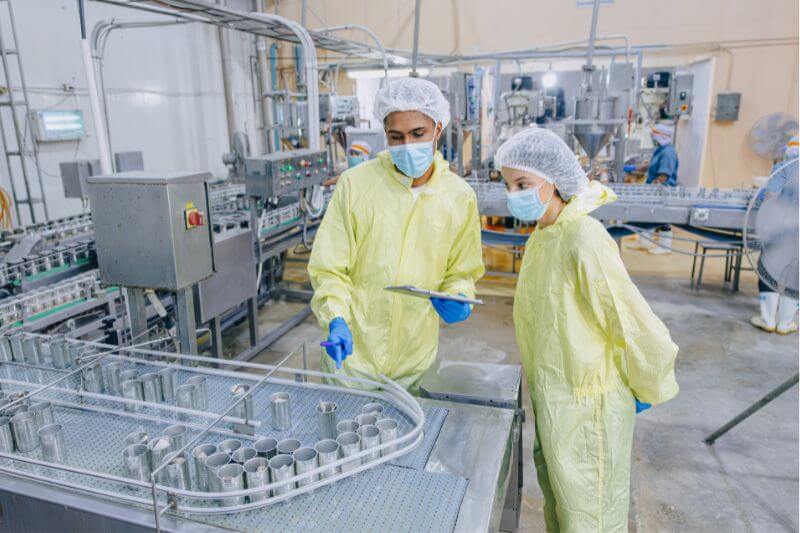
Auditors form an impression within the first few minutes of entering a site. Before checking records or equipment, they observe overall housekeeping and site condition.
They typically notice:
- Floor cleanliness and slip risks
- Waste handling and overflow
- Odours or standing water
- Clutter in walkways or production zones
- Visible dust or residue on surfaces
- Staff hygiene practices and PPE use
These early observations guide where auditors focus next. Even if they don’t result in an immediate issue, they influence how the rest of the audit is assessed.
This is why many facilities use specialist audit cleaning services before scheduled inspections — not for appearance, but to remove risk indicators auditors are trained to identify.
Why isn’t visual cleanliness enough for audit readiness?
A clean-looking facility does not always equal a compliant one. Auditors are not assessing appearance; they are assessing contamination control.
Hidden contamination, such as biofilms, can persist even after routine cleaning. Learn more in our article on Biofilms: The silent threat auditors spot before you do.
Hidden risks often include:
- Biofilm in drains and wet areas
- Grease beneath machinery
- Dust on overhead structures
- Food residue in hard-to-reach zones
- Moisture trapped around equipment
| Looks Clean | Audit Ready |
| Shiny floors | Sanitised food-contact surfaces |
| Tidy work areas | Verified cleaning processes |
| Empty bins | Clean, maintained drainage systems |
| No visible dust | High-level dust removal completed |
True compliance requires more than cleaning — it requires verification, documentation, and preventative maintenance systems.
Where contamination is persistent or difficult to remove, targeted hygiene treatments may be required as part of a broader programme.
Which facility areas do auditors focus on most?
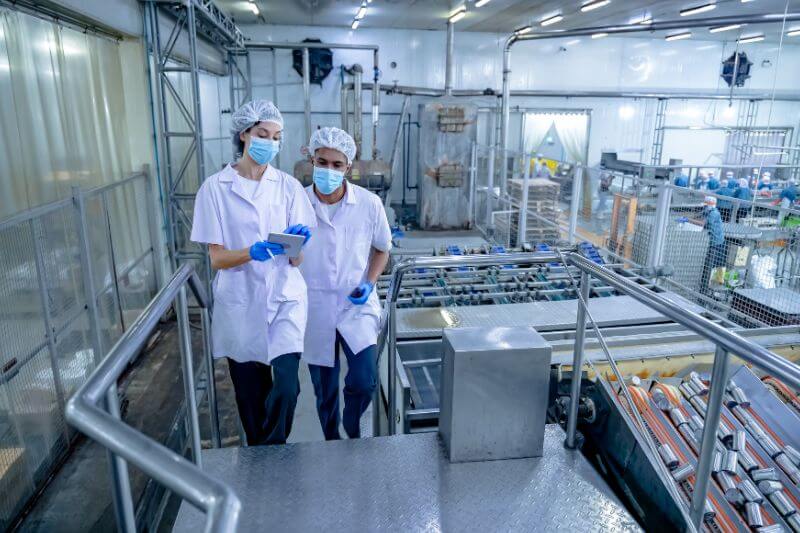
Auditors focus on areas where contamination is most likely to develop, not just what is visible at eye level.
High-risk zones include:
- Floor drains and wastewater channels
- Under and behind production equipment
- Cold rooms and refrigeration units
- Wall-to-floor junctions
- Ventilation and ducting systems
- Waste storage areas
- Loading bays and external entries
These environments often combine moisture, residue, and limited access — ideal conditions for hygiene issues to develop if not properly managed.
This is where our industrial cleaning services play a critical role, targeting high-risk areas that routine cleaning often cannot fully reach.
Why is documentation critical in a food safety audit?
Auditors assess both what is physically clean and what is formally recorded. If cleaning is not documented, it is considered not verified.
Typical records include:
- Cleaning schedules and completion logs
- Chemical usage registers
- Staff training records
- PPE and safety procedures
- Maintenance and corrective action reports
- Internal inspection checklists
Strong documentation demonstrates consistency and that hygiene is controlled through a system, not just individual effort. It also helps identify recurring issues before they escalate into compliance failures.
Cleaning completed once isn’t enough. Auditors want evidence that hygiene standards are maintained every day, not only before inspections.
What hidden hygiene failures do auditors commonly find?
Many audit findings come from issues that are not obvious during routine cleaning.
Common examples include:
- Residue under equipment
- Blocked or slow-draining drains
- High-level dust on beams and ducting
- Condensation around ceilings or cold storage
- Rust or corrosion developing on surfaces
- Bird activity or pest evidence
- Damaged seals trapping contamination
Individually, these issues may seem minor. Together, they signal weaknesses in hygiene control systems.
How do professional audit cleaning services reduce risk?
Professional cleaning teams do more than clean visible surfaces — they identify early-stage risks before they become compliance problems.
This includes spotting:
- Drainage issues before overflow occurs
- Moisture entering plant rooms or structures
- Grease build-up around machinery
- Surface deterioration or corrosion
- Hidden contamination in inaccessible areas
This is why regular audit cleaning is often used alongside routine cleaning programmes — it acts as both a deep clean and a site risk review. Good housekeeping is also recognised by WorkSafe New Zealand as an important component of workplace health and safety.
What does this look like in practice?
Imagine a food processing facility preparing for a scheduled audit. Production areas appear clean, but a closer inspection reveals residue beneath equipment, slow-draining floor channels, and dust accumulation on overhead beams. None of these issues is obvious during day-to-day operations, yet each could attract an auditor’s attention.
By identifying and addressing these hidden risks before the inspection, the facility moves beyond cosmetic cleaning and towards a more robust hygiene programme that supports long-term compliance.

How can facilities stay audit-ready year-round?
Facilities that perform well in audits treat cleaning as an ongoing system rather than a reactive task.
Effective year-round strategies include:
- Scheduled deep cleaning cycles
- Regular drainage inspections
- High-level dust removal
- Preventative maintenance checks
- Seasonal risk adjustments
- Routine hygiene audits
This approach reduces reliance on pre-audit preparation and creates more stable compliance outcomes.
Preparing for an upcoming audit?
Audit success is rarely about a single deep clean. It comes from consistent hygiene systems, preventative maintenance, and attention to the areas that are easy to overlook.
Whether you are preparing for an upcoming inspection or want to strengthen year-round compliance, Rapid Facilities supports businesses across Auckland, Christchurch, and New Zealand with structured cleaning programmes designed to reduce risk and improve operational confidence.
At Rapid Facilities, we don’t just clean facilities. We help businesses identify risks before they become costly problems.
To discuss a tailored solution that fits your facility, explore our audit services or contact our team today.
Frequently asked questions
It is the process of ensuring a facility meets hygiene, documentation, and compliance standards before an inspection, through structured cleaning and maintenance systems.
Yes. Audits assess hidden contamination risks, documentation, and system effectiveness — not just appearance.
Drains, equipment undersides, ventilation systems, and poorly documented cleaning processes are common failure points.
It identifies hidden risks early, ensures high-risk areas are properly cleaned, and supports compliance through consistent hygiene control.