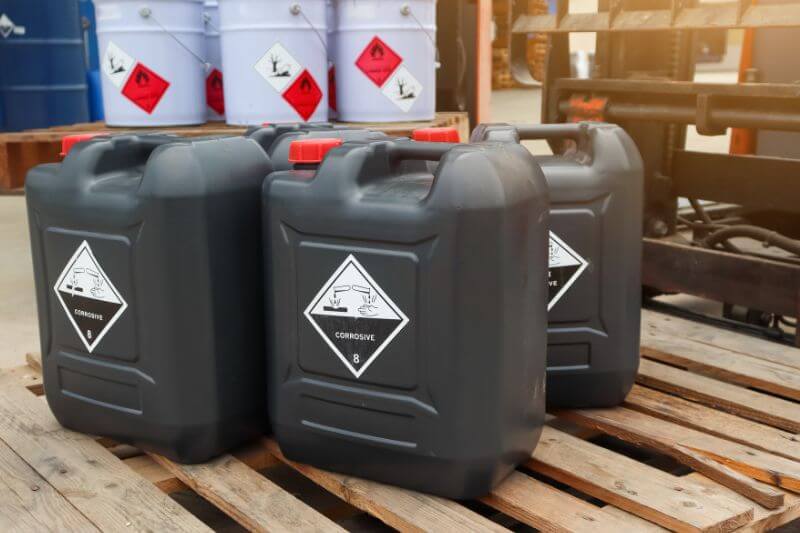
The wrong cleaning chemical can create more problems than it solves. It may fail to remove the contamination it is designed to target, damage important surfaces, create safety risks, or leave behind residues that affect hygiene standards.
For industrial facilities, effective cleaning is not about choosing the strongest product. It is about understanding the environment, identifying the type of contamination, and selecting the right solution for the task.
From manufacturing plants and warehouses to food processing facilities, the right industrial cleaning chemicals help protect assets, support compliance, and maintain safer working environments.
Why are industrial cleaning chemicals important for facility maintenance?
Industrial environments face complex cleaning challenges. Dust, grease, oils, food residue, moisture, and production waste can accumulate quickly in areas exposed to constant activity.
Using the right cleaning chemistry helps businesses:
- Remove contamination effectively
- Protect equipment and surfaces
- Maintain hygiene standards
- Reduce repeat cleaning requirements
- Support workplace safety
A chemical designed to remove heavy grease from machinery may not be suitable for food production areas or sensitive surfaces. Effective cleaning starts with understanding the environment and choosing a solution that matches the specific requirement.
How does surface compatibility affect industrial cleaning chemical selection?
Industrial facilities contain a wide range of surfaces, and each material reacts differently to cleaning products and methods. Choosing the wrong chemical can reduce cleaning effectiveness, damage finishes, or shorten the lifespan of valuable assets.
Professional cleaning solutions are selected based on the surface being treated, the type of contamination present, and the required hygiene standard. This ensures cleaning processes remove unwanted build-up while protecting the condition and performance of the surface.
Different materials require different approaches. For example:
- Stainless steel equipment requires solutions that remove residue while helping prevent corrosion and surface damage.
- Concrete floors may require products designed to remove grease, oil, and industrial build-up without affecting the surface.
- Glass surfaces require residue-free solutions to maintain clarity and appearance.
- Specialised flooring materials may need cleaning methods that protect coatings and finishes.
A one-size-fits-all approach can create unnecessary risks. Understanding surface compatibility helps ensure chemicals are applied safely
What is the difference between food-safe and industrial-grade cleaning solutions?
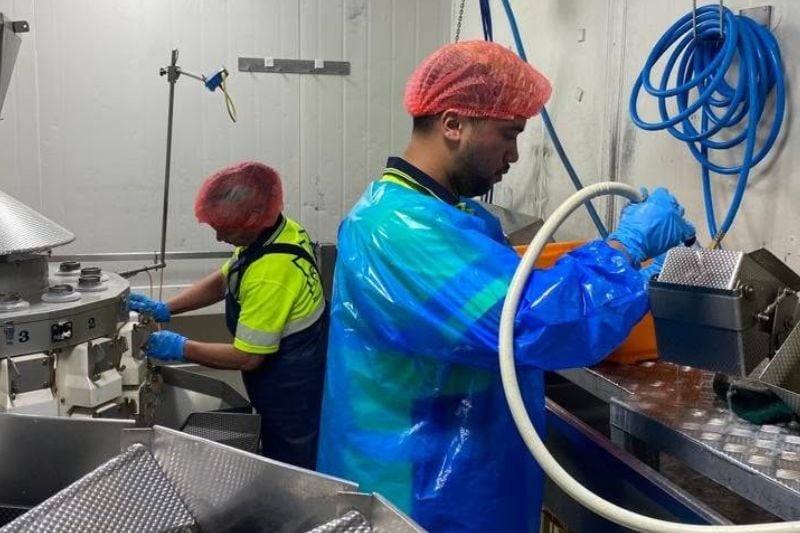
Different industries have different hygiene requirements. Food processing environments, in particular, require careful chemical selection to help control contamination while meeting strict safety expectations.
Food-safe cleaning solutions are designed for environments where hygiene and contamination control are critical. They support cleaning processes that help reduce risks around food production areas.
Industrial-grade solutions are generally used for tougher applications, including:
- Heavy grease and oil removal
- Manufacturing residue
- Equipment build-up
- High-traffic industrial areas
The strongest chemical is not always the most effective choice. The right product is the one that removes the contamination while protecting surfaces, workers, and the surrounding environment.
For businesses preparing for inspections, specialist audit cleaning services can help target high-risk areas where hygiene issues are more likely to develop.
Can using too much or too little cleaning chemical create problems?
Chemical use needs to be carefully controlled. Applying too much product can increase costs, create residue, and potentially damage surfaces, while using too little may leave contamination behind.
Common issues caused by incorrect chemical use include:
- Ineffective cleaning results
- Increased product costs
- Surface deterioration
- Repeat cleaning requirements
- Remaining contamination risks
Correct dilution, application techniques, and contact times all influence cleaning performance. Professional cleaning teams understand how to apply products correctly to achieve reliable results.
How does contamination type determine the right cleaning approach?
Different contaminants require different cleaning methods. Treating every cleaning challenge the same way can leave behind problems that routine cleaning does not address.
Examples include:
- Grease and oils: Require targeted degreasing solutions to break down stubborn build-up around machinery.
- Food residue: Requires hygiene-focused cleaning methods to support contamination control.
- Dust and debris: Often requires specialist removal to prevent accumulation in hard-to-reach areas.
- Biofilms: Require specific cleaning approaches because these protective layers can allow bacteria to remain on surfaces.
Understanding contamination is essential in high-risk environments. We explain more about managing biofilm risks in industrial facilities and why they can become a hidden hygiene challenge.
What safety considerations apply when using industrial cleaning chemicals?
Cleaning chemicals must be handled correctly to protect workers, equipment, and the surrounding environment, which is why our team don’t take any shortcuts when it comes to health and safety.
Safe chemical management includes:
- Correct PPE requirements
- Staff training
- Safe storage procedures
- Following manufacturer instructions
- Understanding chemical hazards
- Using appropriate safety controls
Poor chemical handling can create unnecessary workplace risks. Following strong health and safety procedures helps ensure cleaning is completed safely and consistently. External guidance from organisations such as WorkSafe New Zealand also highlights the importance of managing hazardous substances correctly in the workplace.
Why does professional expertise matter when selecting cleaning chemicals?
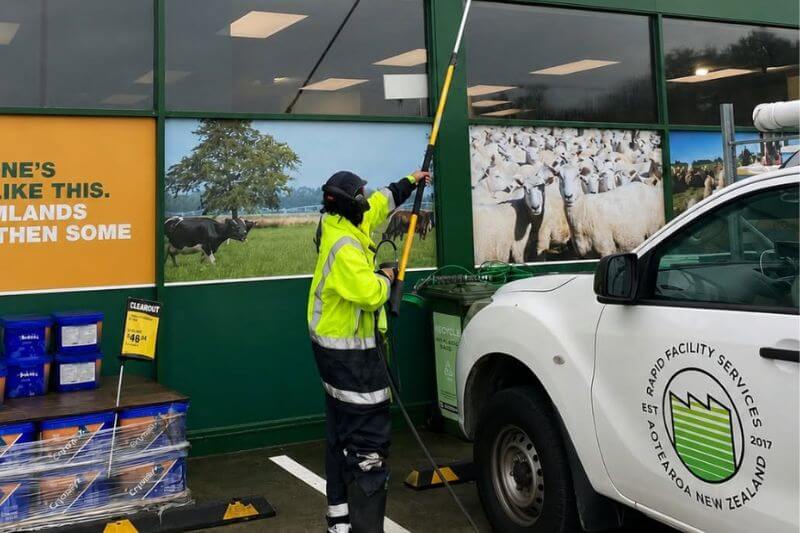
Choosing the right cleaning solution requires more than selecting a product. It requires an understanding of surfaces, contamination types, safety requirements, and the operating environment.
An experienced cleaning partner can assess:
- Where contamination is developing
- Which areas require specialist attention
- How frequently cleaning should occur
- Which methods provide the best long-term results
The team at Rapid Facilities provides you with tailored industrial cleaning services designed around the requirements of your commercial or industrial environment across New Zealand.
The goal is not simply to remove visible dirt. It is to create a cleaning system that protects assets, supports compliance, and reduces future maintenance risks.
Choose the right cleaning solution for your facility
Effective industrial cleaning is not just about removing dirt. It is about selecting the right products, processes, and expertise to protect your people, equipment, and operations.
We work with businesses across New Zealand to deliver tailored cleaning solutions designed around each facility’s requirements.
We operate 24 hours a day and 7 days a week, making it easier for us to work around your business hours. If you need support choosing the right approach for your site, contact Rapid Facilities to discuss your cleaning needs.
Frequently asked questions about industrial cleaning chemicals
No. The most effective chemical is the one suited to the contamination and surface. Using an unsuitable product can reduce cleaning effectiveness or damage assets.
Yes. Some chemicals can cause corrosion, deterioration, or surface damage if they are not compatible with the materials being cleaned.
Food processing environments require careful contamination control. The right cleaning solutions help maintain hygiene standards while supporting food safety requirements.
Professionals consider the surface, contamination type, required hygiene standards, safety requirements, and correct application methods before selecting a cleaning approach.