Every hour of unplanned downtime impacts more than production. It can delay orders, increase labour costs, disrupt customers, and create expensive repair requirements.
While equipment failure is often blamed for shutdowns, many operational issues develop gradually through poor cleaning practices. Dust accumulation, residue, blocked drainage, and contamination can create risks that eventually interrupt daily operations.
The good news is that many of these issues can be prevented through a proactive cleaning and maintenance programme.
Why does poor industrial cleaning create operational risks?
Industrial cleaning is not simply about maintaining appearances. It plays an important role in protecting equipment, supporting workplace safety, and preventing avoidable disruptions.
When cleaning schedules do not address high-risk areas, small issues can develop into larger problems. For example, blocked drainage can lead to water damage, while poor hygiene control can create compliance risks.
A preventative approach helps businesses identify these risks early and address them before they affect production.
Rather than reacting to problems after they occur, many businesses now include scheduled cleaning as part of their broader maintenance strategy. Working with a professional industrial cleaning partner helps identify risks before they disrupt production.
How does poor cleaning affect equipment performance?
Industrial environments naturally create dust, oils, residue, and debris. Without regular removal, these contaminants can affect machinery reliability and increase maintenance requirements.
Common examples include:
- Dust restricting ventilation systems
- Grease affecting moving components
- Residue accumulating around production equipment
- Moisture contributing to corrosion
- Debris restricting drainage systems
Over time, these issues can shorten equipment lifespan and increase the likelihood of unexpected repairs or production delays.

Why can hygiene issues lead to expensive operational delays?
For food processing facilities and other hygiene-sensitive industries, poor cleaning can create more than maintenance problems. Hidden contamination may trigger corrective actions, product holds, or failed audits.
Auditors assess far more than visible cleanliness. They inspect drains, equipment, ventilation systems, and cleaning records to determine whether hygiene risks are properly controlled.
Our Audit Cleaning services help businesses prepare for inspections by targeting high-risk areas that routine cleaning can easily overlook.
How do safety incidents contribute to industrial cleaning downtime?
Workplace incidents often result in more than an injury. They can stop production while investigations take place, restrict access to work areas, and require emergency cleaning before operations resume.
Common cleaning-related hazards include:
- Oil and chemical spills
- Slippery walkways
- Excessive dust accumulation
- Blocked emergency exits
- Standing water around equipment
According to WorkSafe New Zealand, effective housekeeping is a fundamental part of managing workplace health and safety because poor housekeeping contributes to slips, trips, falls, fires, and other preventable incidents.
Keeping facilities clean and organised reduces these risks while helping staff work in a safer environment.
Which hidden areas are most likely to cause unexpected downtime?
Many operational problems begin in areas that receive little attention during routine cleaning.
These often include:
- Floor drains and wastewater channels
- Plant rooms
- High-level beams and rafters
- Ventilation systems
- Roof gutters and downpipes
- Under and behind machinery
- Loading bays and service areas
These locations collect dust, moisture, grease, and debris that gradually increase maintenance risks. Regular inspections help identify issues before they lead to emergency shutdowns.
Many businesses combine routine cleaning with broader industrial cleaning services to ensure both visible and hidden risk areas are maintained.
Why is preventative industrial cleaning more cost-effective than emergency repairs?
Emergency cleaning is sometimes unavoidable. Spills, flooding, contamination events, and unexpected failures require a fast response to protect people, property, and operations.
However, reactive cleaning is usually more expensive than planned maintenance because it happens when the problem has already affected the business.
A preventative approach helps reduce:
- Emergency callouts
- Production interruptions
- Equipment damage
- Compliance risks
- Unplanned repair costs
Planned industrial cleaning allows businesses to schedule work around operations rather than stopping production unexpectedly. This approach gives teams more control over maintenance budgets and reduces the pressure of dealing with urgent issues.
What does a planned industrial cleaning programme include?
Every facility has different requirements depending on its industry, equipment, and operating environment. A good cleaning programme should be tailored to the site’s specific risks.
A preventative industrial cleaning plan may include:
- Routine equipment and machinery cleaning
- High-level dust removal
- Floor cleaning and degreasing
- Drainage and wastewater area inspections
- Hygiene-focused cleaning in production areas
- Exterior cleaning and building maintenance
- Scheduled audit preparation cleaning
The goal is not simply to clean more often. It is to clean strategically in the areas where problems are most likely to develop.
How can businesses reduce the risk of emergency shutdowns?
The most effective way to reduce emergency shutdowns is to identify problems before they affect production.
For example, a manufacturing facility may not notice gradual dust accumulation around machinery or slow drainage in production areas until equipment performance declines or a safety concern develops.
Regular inspections and professional cleaning can identify early warning signs such as:
- Build-up around machinery
- Blocked drainage points
- Moisture issues
- Surface deterioration
- Hygiene concerns
Addressing these issues early helps businesses maintain continuity and avoid disruption during busy production periods.
What does this look like in practice?
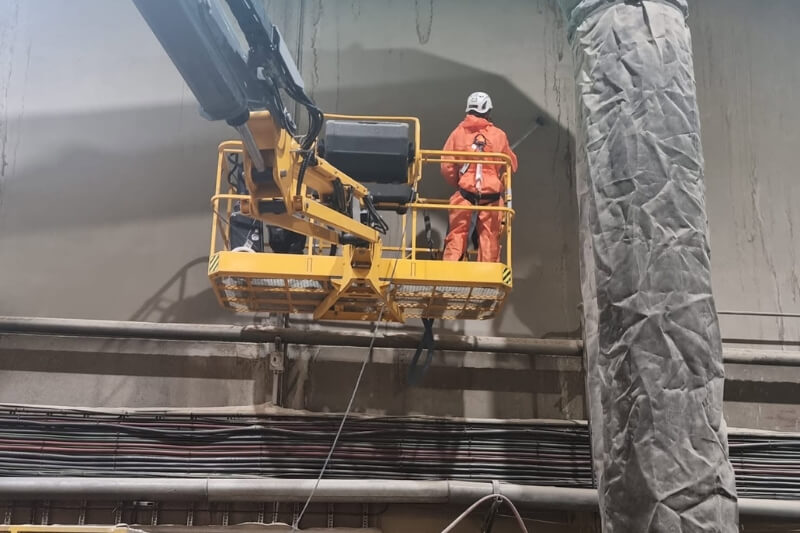
Consider a warehouse that relies on smooth daily operations to meet customer demand. Over time, dust accumulates in high areas, drainage systems become restricted, and cleaning becomes focused only on visible areas.
A preventative maintenance approach would identify these risks before they impact operations. Scheduled cleaning of high-risk areas, regular inspections, and clear reporting help the business stay ahead of potential failures.
The difference is simple: reactive cleaning responds to a problem, while preventative cleaning reduces the chance of that problem occurring.
Protect your facility from costly downtime
Unplanned downtime often starts with small issues that go unnoticed until they affect production, safety, or compliance. A proactive industrial cleaning programme helps identify risks early, protect critical assets, and keep your facility operating efficiently.
We’re proud to work with many businesses across New Zealand to deliver tailored cleaning and maintenance solutions designed around each site’s needs. From routine preventative cleaning to specialist industrial services, our team helps businesses stay ahead of problems before they become costly disruptions.
Contact us today to find out how we can help protect your facility from unexpected disruptions. With 24/7 support and tailored cleaning solutions, our team helps safeguard your people, assets, and operations year-round.
Frequently asked questions about industrial cleaning downtime
Industrial cleaning reduces downtime by removing contaminants that can affect equipment performance, workplace safety, hygiene standards, and compliance requirements. Regular cleaning helps identify potential issues before they become operational problems.
The right frequency depends on the facility type, industry requirements, equipment, and level of activity. High-risk environments often benefit from scheduled cleaning programmes rather than occasional deep cleans.
Yes. Dust, grease, moisture, and residue can contribute to equipment deterioration, reduced performance, and unexpected maintenance issues if they are not managed.
Reactive cleaning happens after a problem occurs, such as a spill, contamination issue, or shutdown. Preventative cleaning is planned in advance to reduce risks and keep facilities operating efficiently.