When an industrial emergency hits, speed matters — but speed without expertise can make the situation worse. A spill cleaned incorrectly can spread contamination. Floodwater left untreated can damage assets. Poor containment can create safety risks, compliance breaches, and longer shutdowns.
Industrial sites such as warehouses, factories, food plants, and logistics centres operate in high-pressure environments where every hour of downtime has a cost. That is why emergency cleaning requires more than a fast arrival time. It demands trained people, the right equipment, disciplined processes, and calm decision-making under pressure.
For businesses across Auckland, Christchurch, and wider New Zealand, the best emergency response is fast, safe, and effective from the first minute.
Why emergency industrial cleaning requires more than a quick response
A fast response is only useful if the team arriving knows how to control the hazard immediately. Industrial emergencies are rarely simple messes. They may involve chemicals, oils, wastewater, biohazards, damaged machinery, or contamination risks.
In these situations, the first actions taken matter most. Teams need to assess hazards, isolate the area, prevent spread, and choose the correct cleaning method.
That means emergency cleaning must combine:
- Rapid mobilisation
- Risk assessment on arrival
- Correct PPE and safety controls
- Containment procedures
- Safe waste removal
- Fast restoration of operations where possible
Without this structure, speed alone can create secondary problems.
What types of industrial emergencies need specialist cleaning?
Many facility managers assume internal staff can handle most incidents. But when contamination, hazardous materials, or operational disruption are involved, specialist support is often the safer option.
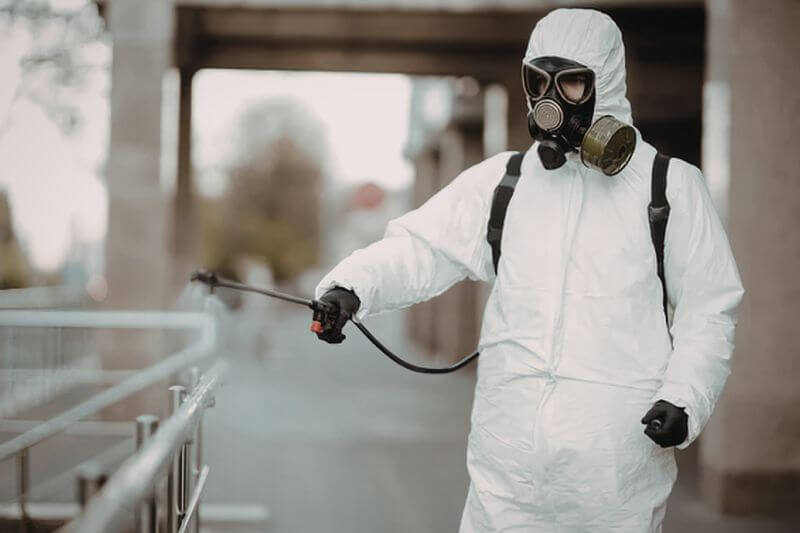
Rapid Facilities responds to urgent issues such as:
- Flooding and burst pipes
- Chemical and oil spills
- Blocked drains and wastewater backups
- Hygiene failures in food-grade environments
- Machinery debris clearance
- Biohazard incidents
- Slip hazards from leaks or residue
- Storm-related site contamination
These situations often require more than mops or absorbents. They require trained response teams with industrial-grade systems.
You can explore our broader support services here: Rapid Facilities Services
Why spill response hazards need trained professionals
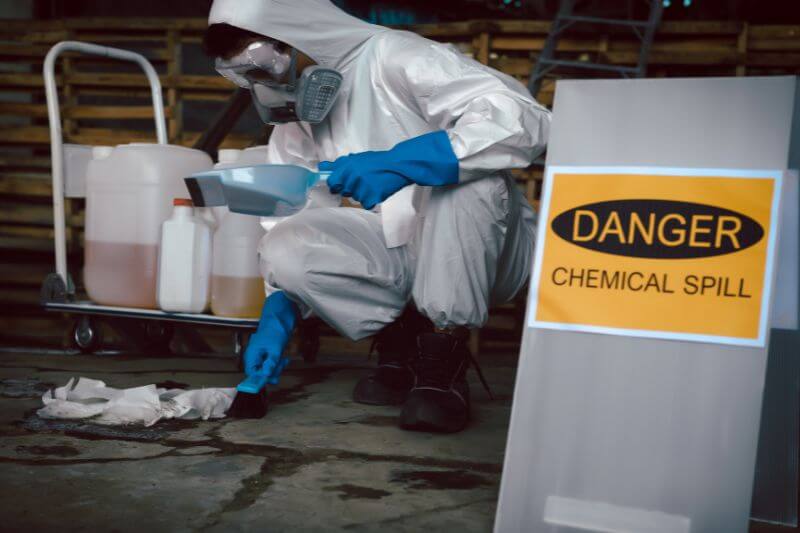
Spills are among the most common industrial emergencies, but also among the easiest to mishandle. Different substances require different responses. Water, oil, solvents, chemicals, or biological waste each carries unique risks.
An incorrect spill response may lead to:
- Staff slips and falls
- Chemical reactions from incompatible products
- Contamination entering drains
- Damage to flooring or machinery
- Airborne exposure risks
- Extended shutdowns during cleanup
Trained responders identify the material, isolate the zone, use the correct absorbents or neutralisers, and restore the area safely.
How containment protects your facility and the environment
Containment is often the difference between a manageable incident and a major disruption. A small leak that reaches production areas, drains, or electrical zones can escalate rapidly.
Professional emergency teams use containment methods such as:
- Drain covers and bunding
- Spill socks and barriers
- Segregated access zones
- Controlled waste collection points
- Safe pedestrian rerouting
This protects both the facility and the surrounding environment while remediation takes place.
Why disposal compliance matters after the clean-up
Cleaning the visible mess is only one stage of the job. Waste generated during emergency response may be contaminated and subject to disposal regulations.
Depending on the incident, waste can include:
- Absorbent materials
- Contaminated water
- Chemical residue
- Damaged stock or packaging
- PPE and disposable response items
Improper disposal can create compliance issues long after the emergency appears resolved. Experienced contractors understand segregation, transport, and lawful disposal pathways.
How training and certification improve emergency outcomes
In industrial environments, emergency cleaning teams need more than enthusiasm. They need competence under pressure.
That typically includes professional training in:
- Hazard identification
- Working around machinery
- Height and confined space awareness
- Food-grade hygiene controls
- Chemical handling
- PPE protocols
- Incident communication and site coordination
This is why experienced industrial cleaners are skilled professionals, not just cleaners. They combine technical knowledge with operational discipline.
How quickly can rapid facilities respond when something goes wrong?
In an emergency, response time influences whether a site recovers quickly or suffers a prolonged shutdown. Rapid Facilities operates 24/7 with teams positioned to support urgent callouts across Auckland, Christchurch, and surrounding regions.
When our teams arrive, they bring:
- Industrial cleaning equipment
- Protective gear
- Spill containment systems
- Degreasing and sanitation tools
- Practical experience in live operational environments
The goal is not just to clean fast, but to stabilise the situation and reduce business interruption.
What emergency services are available in Auckland and Christchurch?
With an expanding operational network, we support factories, food-processing plants, cold stores, logistics centres, energy facilities, and large commercial sites.
Services include:
- Rapid emergency spill response
- Plant and machinery shutdown cleaning
- Floor scrubbing, degreasing, and sanitisation
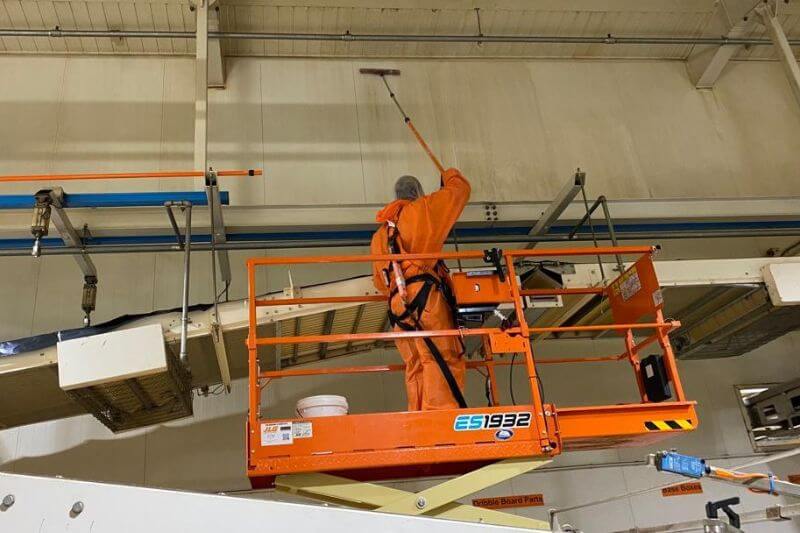
- High-level dust removal
- Exterior pressure washing and yard clean-ups
- Biohazard and hygiene response cleaning
- Building maintenance support
- Bird control and urgent deterrent repairs
For hygiene-sensitive sites, additional support is available through audit cleaning services
Real-world example: when speed alone would have failed
A manufacturing client experienced a hydraulic oil leak near an active production zone late in the evening. The immediate concern was restarting operations quickly. But rushing in with a basic clean would have left residue, created slip hazards, and risked further contamination.
Instead, the affected area was isolated, oil was professionally removed, surfaces were degreased, and traffic routes were made safe. Production resumed the next shift with no injury, no secondary damage, and no repeat cleanup required.
That is the difference between arriving quickly and responding properly.
Why is the best emergency response preparation before the incident
The strongest emergency cleaning strategy starts before anything goes wrong. Facilities that know who to call, where shut-off points are, and how response zones work recover faster.
Smart preparation includes:
- Keeping emergency contact details accessible
- Identifying spill-prone areas
- Pre-planning contractor access
- Reviewing drainage risks
- Scheduling preventative industrial cleaning
Prevention and preparedness reduce the severity of emergencies when they happen.
Need emergency industrial cleaning support?
Industrial emergencies demand more than urgency. They require trained people, safe systems, and proven execution under pressure.
If your business needs a reliable emergency cleaning partner in Auckland, Christchurch, or wider New Zealand, we’re here 24/7 to help protect your people, assets, and operations when you need it the most.
Do it once. Do it right. Do it the Rapid way.