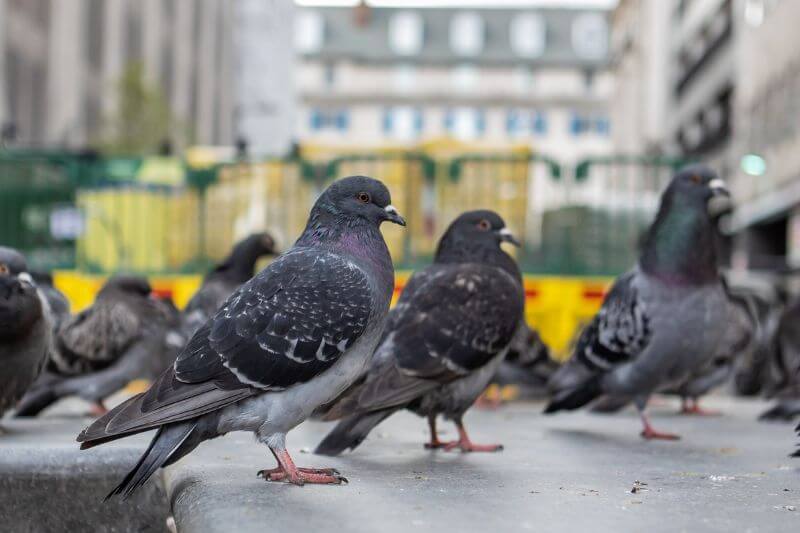
Birds are a common sight around commercial and industrial properties, but when they begin nesting on buildings, roosting above entrances, or gathering around operational areas, they can quickly become more than a nuisance.
Many property owners don’t recognise the extent of the problem until bird droppings start damaging surfaces, gutters become blocked, or health and safety concerns arise. The challenge is finding a solution that protects your building and the people who use it without causing unnecessary harm to wildlife.
The good news is that modern bird control focuses on prevention rather than removal. With the right bird-proofing strategy, businesses can protect their assets, maintain compliance, and reduce maintenance costs while using safe and humane deterrent methods.
Why are birds attracted to commercial and industrial buildings?
Commercial buildings often provide everything birds need to thrive.
Roof cavities, ledges, loading bays, warehouse rafters, signage structures, and plant rooms offer shelter from weather and predators. Large industrial sites can also provide warmth, water sources, and food opportunities that encourage birds to return repeatedly.
Once birds establish a nesting or roosting location, the problem often grows over time. What starts as a handful of birds can quickly become a larger population if preventative measures are not implemented early.
This is why proactive bird proofing and deterrent solutions are often far more effective than waiting until a significant infestation develops.
What health risks do bird droppings create for businesses?
Bird droppings are more than an aesthetic issue.
As droppings accumulate, they can harbour bacteria, fungi, and other contaminants that may affect workplace hygiene. Areas with heavy bird activity can create additional cleaning requirements and increase exposure risks for staff, contractors, and visitors.
For businesses operating in food manufacturing, food processing, warehousing, or distribution, bird contamination can become particularly problematic. Auditors and inspectors expect facilities to actively manage contamination risks, including those caused by pests and wildlife.
In some environments, bird activity can also compromise hygiene standards, making it more difficult to maintain compliance. This is one reason many businesses combine bird control measures with specialist audit cleaning services to help maintain clean, inspection-ready facilities.
How can birds create fire and structural risks?
The damage caused by birds often extends beyond droppings.
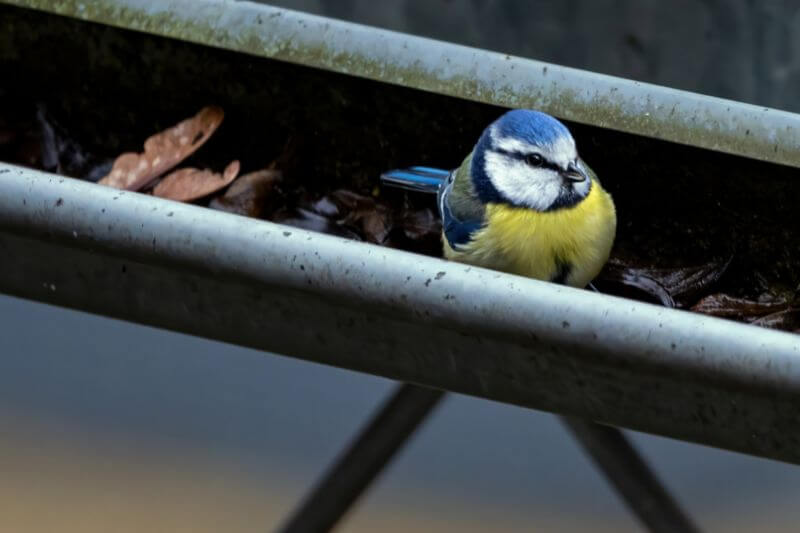
Nesting materials such as twigs, feathers, leaves, and debris can accumulate inside gutters, roof spaces, ventilation systems, and building cavities. Over time, these materials can obstruct drainage systems and increase maintenance requirements.
Blocked gutters are a particularly common issue. When water cannot flow freely through gutters and downpipes, overflow can occur, potentially contributing to water damage, corrosion, and deterioration of building materials.
In some situations, dry nesting materials located near electrical infrastructure or heat sources may also contribute to fire risks.
Bird droppings themselves can be surprisingly destructive. Their acidic nature can gradually damage painted surfaces, roofing materials, metal structures, and building facades if left untreated.
Why aren’t bird spikes always the best solution?
Many people immediately think of bird spikes when bird control is discussed.
While spikes can be effective in certain situations, they are not a universal solution. Every building presents different challenges, and the most effective bird deterrent strategy depends on the species involved, the building design, and the location of the activity.
Bird spikes may work well on narrow ledges where birds regularly perch. However, they are often less effective in larger areas where birds are nesting, accessing roof cavities, or entering protected spaces.
Installing spikes without understanding bird behaviour can sometimes shift the problem elsewhere rather than solving it.
The most successful bird management programmes begin with a site assessment to determine why birds are using the property and which deterrent methods will provide the best long-term outcome.
What are the most effective humane bird control methods?
Modern bird control focuses on exclusion rather than harm.
The goal is to make buildings less attractive and less accessible while allowing birds to continue their natural behaviour elsewhere.
Depending on the site, solutions may include:
- Bird netting systems
- Exclusion barriers
- Bird spikes
- Access restrictions around nesting areas
- Physical deterrents tailored to specific structures
- Ongoing monitoring and maintenance
Bird netting is often one of the most effective options for warehouses, industrial facilities, and large commercial buildings because it prevents access to areas where birds would otherwise roost or nest.
When properly designed and installed, these systems provide long-term protection while supporting humane bird management practices.
How does professional bird control improve workplace safety?
Bird activity can create several workplace hazards that are often overlooked.
Droppings on pathways, entrances, stairways, loading docks, and external walkways can create slippery surfaces, increasing the risk of slips and falls.
Maintenance teams may also face additional risks when attempting to access contaminated roof areas, gutters, or elevated structures.
Professional bird control providers understand how to work safely at height and manage risks associated with installation and maintenance activities. Rapid Facilities follows a comprehensive health and safety programme designed to ensure work is completed safely in complex commercial and industrial environments.
For facility managers, this means bird issues can be addressed without creating additional safety concerns.
What does a long-term bird prevention strategy look like?
The most effective bird control programmes focus on prevention rather than reaction.
Once bird activity becomes established, ongoing cleaning and maintenance costs often increase significantly. Preventative strategies aim to stop birds from settling in the first place.
A proactive bird management plan typically includes:
- Regular building inspections
- Early identification of nesting activity
- Maintenance of bird deterrent systems
- Gutter and roof cleaning
- Ongoing monitoring of high-risk areas
Many businesses integrate bird control into broader property maintenance programmes alongside industrial cleaning services to ensure buildings remain clean, safe, and operational year-round.
A practical example of proactive bird management
One warehouse operator noticed recurring bird activity around its loading bay canopy. Initially, the issue appeared minor, with only occasional droppings requiring cleanup.
Over time, however, the birds began nesting in overhead structures. Droppings accumulated near staff access points, maintenance requirements increased, and concerns were raised about contamination risks around incoming goods.
Following a site assessment, a tailored bird-proofing solution was installed to restrict access to key nesting areas. The result was a significant reduction in bird activity, lower cleaning requirements, and improved confidence in the site’s hygiene and safety standards.
The lesson was simple: addressing bird issues early is almost always easier and more cost-effective than managing a larger infestation later.
Why humane bird control delivers better long-term results
Effective bird control is not about removing wildlife. It is about creating environments where birds are less likely to settle while protecting the buildings, people, and operations that rely on those spaces.
Humane bird deterrent systems help businesses:
- Reduce contamination risks
- Protect building assets
- Improve workplace safety
- Lower maintenance costs
- Prevent recurring bird-related problems
- Support long-term property management goals
When implemented correctly, bird control becomes a preventative maintenance strategy rather than an ongoing operational headache.
Protect your property before bird problems escalate
Bird activity rarely resolves itself. In most cases, the longer a problem is left untreated, the more costly and disruptive it becomes.
Whether you’re managing a warehouse, factory, retail centre, school, food facility, or commercial building, proactive bird management can help protect your assets, improve safety, and reduce future maintenance costs.
To learn more about bird proofing and deterrent solutions or discuss a tailored approach for your site, contact the team at Rapid Facilities today.
We operate 24 hours a day and 7 days a week, making it easier for us to work around your business hours. Get tailored solutions that protect your property, your people, and the wildlife around it.